






Hacking Reality at the Academy of the Impossible

Metaviews settled into its new home at the Academy of the Impossible on January 1. Since then, the space has been the setting for regular events in the Hacking Reality series, along with headquarters for our regular Wednesday teleseminars and other professional activities.

“The Future of Health” has been at the top of the agenda in 2012, as we have moved into detailed discussion about existing and future devices designed for medical professionals to diagnose patients, along with apps being produced with the hopes of letting each individual take preventative and therapeutic measures into their own hands.

Some of the other topics we have touched on so far this year include:

  • The new monopolies of Apple, Facebook and Google and whether growing criticism of all these services will make way for viable alternatives
  • Pinterest emerging as the most popular new social networking website of 2012 and whether it reflects a demand for more websites that appeal to women
  • A growing need to mentor the older generation of online users — toward encouraging them to see the internet as more than just a procrastination tool
  • Whether social media influence can be better measured than algorithm-based services which can mointor the reach of messages based on more than numbers
  • New advances in Customer Relationship Management tools that can allow advertisers, marketers, public relations and government to know who is really listening

    Hacking Reality, the series designed by Metaviews for subscribers, members and guests of the Academy of the Impossible, has provided a further outlet for our ideas. Campaign School and YouTube School alternate on Sunday afternoon to explore the media and messaging. Test the Impossible provides the representatives of new and innovative products a stage on which to show off what they have to offer.

    Play the Impossible is a regular forum for anyone curious in the evolution of videogames and Hack the Impossible does the same for open source innovations. Plus, our Impossible Ideas series kicked off with columnist Rick Salutin in a salon format designed to contemplate where our relationship with technology is taking us.

    Forthcoming programs presented by Metaviews at the Academy will delve deeper into areas of communication — including the production and distribution of online content and the development of internet humour. Subscribers are particularly encouraged to play a role in shaping these events and advise where Hacking Reality can head next.

  • Here comes the Academy of the Impossible!?

    Metaviews.ca is currently setting up a new project: The Academy of the Impossible, located at 231 Wallace Ave. in the Junction Triangle neighbourhood of Toronto’s downtown west end. It will partly serve as a location for our salons and seminars along with all facets of our daily operations.

    The setup for the Academy is a relatively novel one. As an open source social enterprise, it will integrate both for-profit and non-profit enterprises, along with providing a physical touchpoint for our clients and broader community. This will include bringing to life many online ideas that often end up remaining hypothetical — we want to make them feel possible.

    Since consumers are also taking on the role of producers, the Metaviews programming at the Academy will reflect that inevitability, with events designed to empower the human relationship with technology. During this era of disruption for business, media and politics, our infinite series of “Hacking Reality” events will explore all forms of self-expression, from mobile apps and videogames to improv comedy and public speaking.

    The events for AOTI members and guests will be concurrent with our continued subscriber efforts throughout the week. Now, with a permanent space, we expect to exponentially expand the insights we can share with clients. But we covered a fair bit of ground on the way there:

    • How gadgets are marketed during the holiday season even if they’re about to become replaced by new models

    • Shopping apps designed to follow people around the mall, measure window shopping and offer a better deal via Amazon

    • YouTube’s evolution from a cat video free-for-all to a more Hollywood-friendly platform based on subscription feeds

    • Changes to Facebook, Twitter and Google in the race to build social media market share — possibly at the expense of user trust

    • Compliments and criticism for Open Government initiatives in Ottawa including reaction to the official social media guidelines

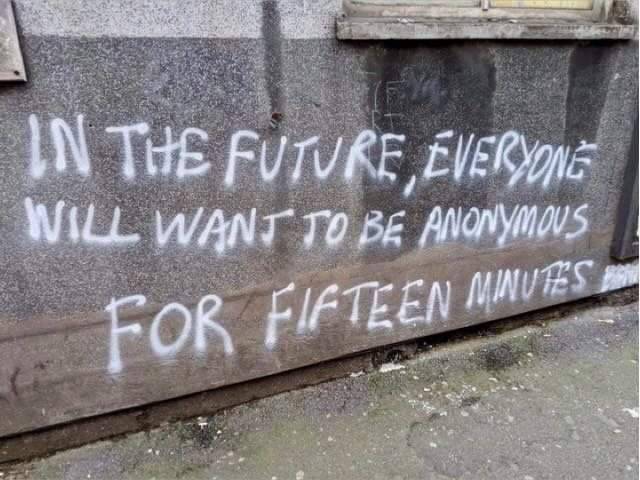
    • The hopes and hypes of 2011 including the evolution of Anonymous, theories of Gamification and digital currency alternatives

    Also, on deck for 2012, our second year-long major research project will focus on “The Future of Health” — which will include recurring discussions in our seminars and salons.

    Please see the Metaviews.ca website for more information on the subscription package. And follow The Academy of the Impossible for news about all its programming.